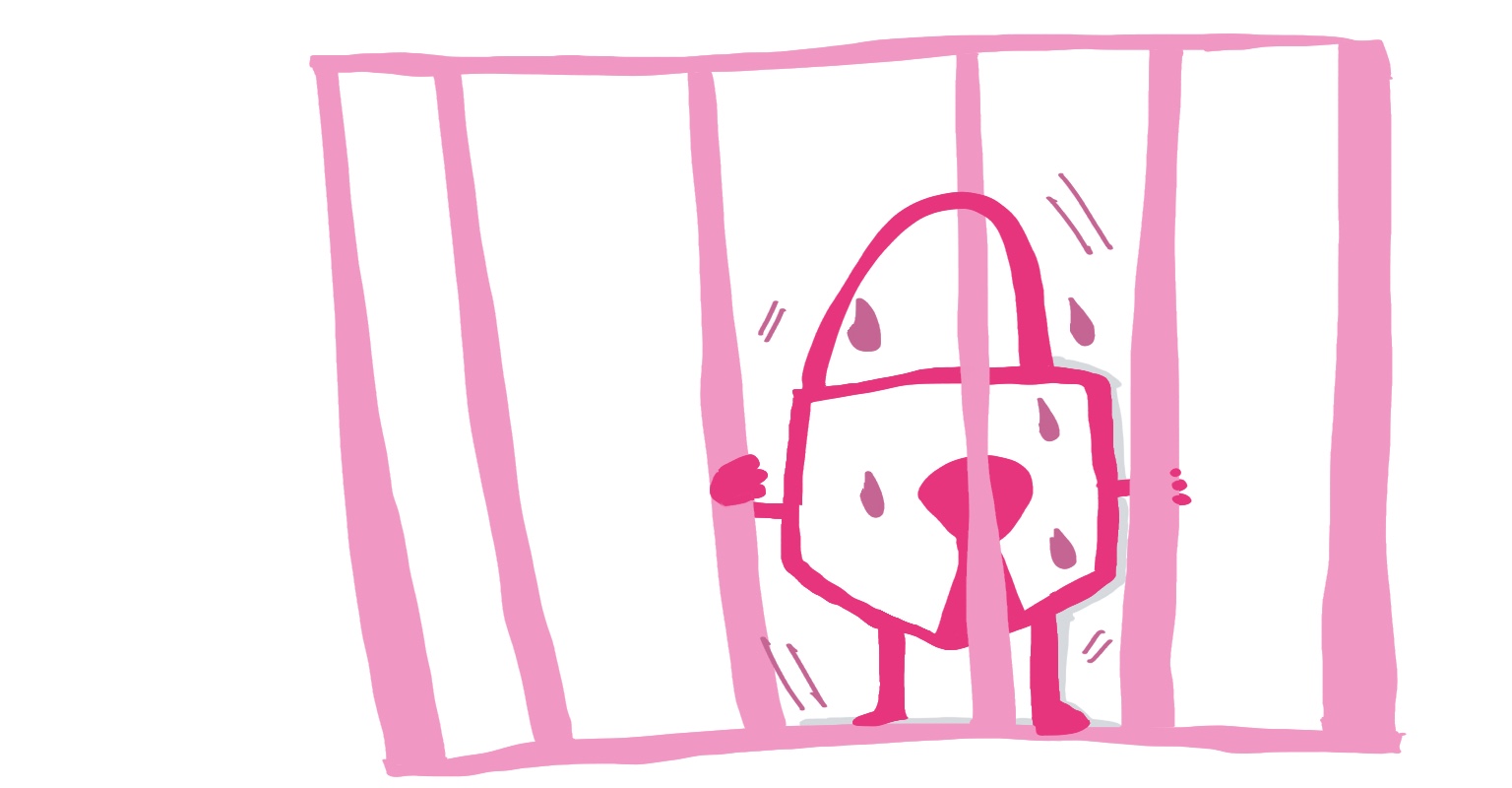
Working, studying and being a privacy enthusiast automatically means putting theory into practice, doesn’t it?
Even those who don’t work in the field of privacy (or are enthusiasts of the subject) are at least somewhat affected when they learn, in some way, about the relationship between data protection and big tech.
Those who are part of this world and are already fed up with hearing about its worst aspects surely take every possible measure to avoid using these tools and services, right?
Well, I can speak for myself (and for so many other people I know) when I say it doesn’t quite work like that. This year I finally did something I’d long known I needed to do, which was to switch some of my everyday services.
Honestly, I’d probably still be using Gmail, Google Search and Chrome if my husband hadn’t invested in a Proton account for two people. From there, I switched my email (I now use Proton), my browser (Vivaldi) and my default search engine (DuckDuckGo). Admittedly, I still need to migrate files and photos from my old drive to the Proton drive. But why did it take so long? Why is it so difficult to break away from these “default services”?
It’s no coincidence that switching is so difficult. Your whole life is there, in that email, on that drive. You’re already used to using a whole range of apps that make life easier – and so are your friends and family! It seems that everything in your daily life is already integrated with the apps and services you’ve known “forever”, not to mention the countless accounts that use Google or social media credentials to log in. There’s even a subreddit called “de-googling”, aimed at trying to remove as many of these services from your life as possible. In some of these stories, you can see just how deep the rabbit hole goes: in some cases, people have been held hostage by services provided only by these very providers we want to avoid.
What’s more, life goes on and priorities take over, so that goal of switching from those annoying providers keeps getting put off. For me to actually take that step, I needed someone to give me that initial nudge. I don’t know how much longer I would have carried on using the services I mentioned if it were up to me to just stop everything one day and make the switch. The funny thing is, the bit about changing my main email address (which I thought would be unbearably tedious and time-consuming) went really smoothly. In fact, it was shocking to realise just how much junk mail I was receiving, now that emails weren’t automatically going into the spam folder. And the truth is, it doesn’t even take that long to opt out of newsletters and all sorts of emails from companies you can’t even remember ever having had any connection with.
What’s more, contrary to what I used to think (and one of the reasons I used to procrastinate like crazy), these things aren’t ‘sorted’ in a flash; they happen gradually, over days and weeks. Before you know it, your new email inbox is back to normal and you’ve got used to using that new service. It’s as simple as that. The same goes for switching browsers or search engines completely. Obviously, it feels strange at first – even closing a tab seems odd – but, like everything in life, it’s just another thing you can easily adapt to.
My final feeling about all this is similar to that of someone who does something they know they should have done ages ago, but for countless reasons (lack of ’time’ or proper prioritisation, life swallowing us up and things always getting put off until later, amongst others): “Why didn’t I do this sooner?” If you’ve been thinking about making the switch, or have been bothered for a while by being so dependent on services provided by the Big Tech companies, I think it helps to set a deadline to actually make this move, or to talk to someone who’s on the same wavelength. In the latter case, it’s possible that one person might end up nudging the other, encouraging this change that makes so much sense. As a final note, I’m still looking for an alternative to Google Maps, but I’ve realised that we adapt to these things over time.